


active listings
BUYER

PROVEN MARKETING
SELLER

MOVE WITH EASE
RELOCATION

NEW CONSTRUCTION
NEW BUILDS

Queen Creek
Maricopa County
Gilbert
Maricopa County
San Tan Valley
Pinal County

Gold Canyon
Pinal County

Tempe
Maricopa County

Phoenix
Maricopa County
Chandler
Maricopa County
Apache Junction
Pinal County

Mesa
Maricopa County

Scottsdale
Maricopa County

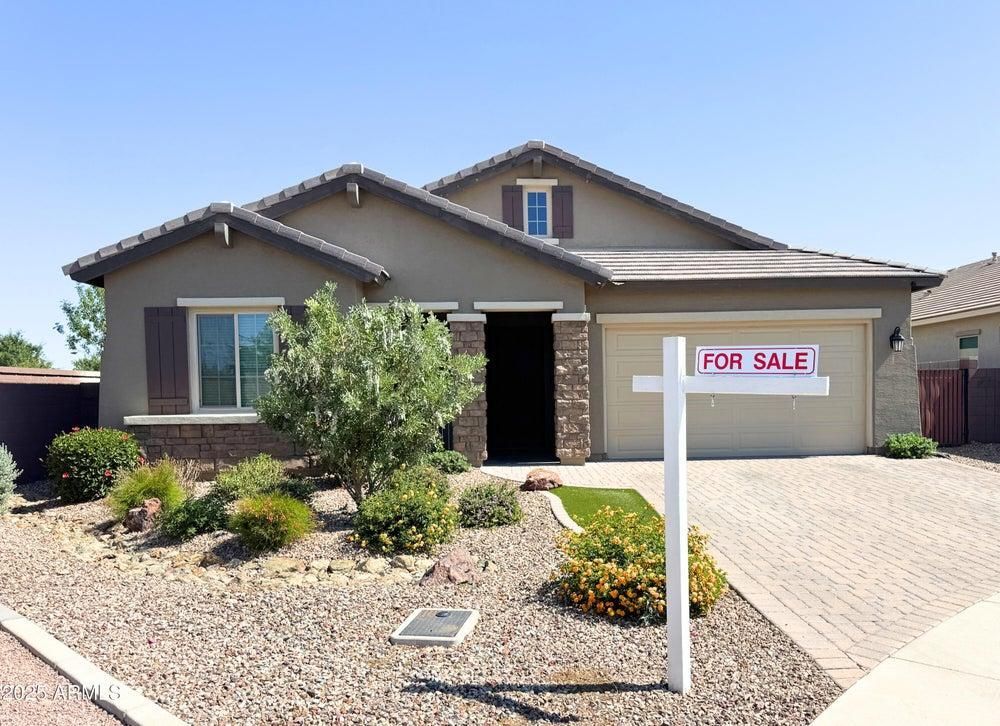
Does the name of the real estate brokerage really matter when selling your home? It's a fair question. Some real estate companies spend millions of dollars each year on billboards, television commercials, online advertising, and making sure their name is familiar to homeowners. But does that name recognition mean your home will sell faster or for more money? Not necessarily. After selling hundreds of homes across Mesa, Gilbert, Chandler, Queen Creek, Apache Junction, and the greater Phoenix area, I've seen excellent marketing from agents at large national brokerages and small independent companies. I've also seen some very poor marketing from both. The biggest difference is often not the company an agent works for. It's what that individual agent actually does to get your home sold. A Real Example From Three Listing Interviews Recently, we met with homeowners who were interviewing three different real estate agents to sell their property. Each agent had a very different plan. The first agent recommended painting the entire interior, moving all their belongings into storage, and paying thousands of dollars each month for professional staging. The sellers would also need to find temporary housing until their home sold. That's a lot of money to spend before even knowing how long the property might be on the market. Now, there are certainly homes where painting, professional staging, or even moving out makes sense. But those recommendations should be based on the home's condition, the competition, and the potential return on that investment. I later reviewed that agent's marketing and found that the listings I could see used photography without the additional marketing tools we typically provide. The second agent represented a very well-known brokerage with extensive television and billboard advertising. He explained that his company had a multimillion-dollar marketing budget that would help get their home sold. The homeowners asked a very good question: "How much of that marketing budget is actually spent marketing our home, rather than advertising your company to attract more sellers?" According to the homeowners, they didn't receive a clear answer. And that is an important distinction. A company can spend millions promoting its brand, but that doesn't necessarily mean it's spending that money to advertise your specific property to buyers. What We Did Differently When we arrived, we didn't start by telling the homeowners what their house was worth. Instead, we walked through the property, looked at its features and condition, discussed their plans, and answered their questions. We also shared examples of how Rover Realty markets homes, including: Professional photography and video tours Floor plans to help buyers understand the layout Custom yard signs featuring property photos YouTube videos and online marketing Professionally designed property brochures Complimentary light staging to help the home show its best We left them with our professionally bound seller's book, which explains our marketing process, introduces our team, and includes samples of the Arizona real estate contracts they could expect to see during the transaction. But there was one thing we didn't give them that day. A listing price. Why We Didn't Give Them a Price on the Spot The homeowners initially weren't thrilled that we wouldn't give them an immediate opinion of value. And I understand that. When you're interviewing agents, one of the biggest questions you have is, "What's my home worth?" You might also be wondering why we hadn't already researched the home and arrived with a price in mind. In this case, the sellers were the original owners. There were no prior listing photos for us to review, so much of what we knew before the appointment came from basic public records, such as the year the home was built and its square footage. But even if we had previous listing photos, our process wouldn't have changed. Photos don't tell the whole story. A home might look beautiful in pictures but have years of wear that isn't easy to see. There could be an unpleasant smell, an unusual floor plan, or something nearby that affects how buyers will feel about the property. On the other hand, the owners may have made beautiful upgrades that weren't reflected in older photos or public records. And sometimes it's simply the overall feeling you get when walking through a home. How the rooms connect, how much natural light comes in, and how the property compares to others you've seen. Those are things I want to experience in person before recommending a listing price. Once we've toured the property, we go back and study the market with a much better understanding of what we're comparing. We look at homes that have already sold to see what buyers have been willing to pay. But just as importantly, we look at the homes currently for sale because those are the properties we'll be competing against for the same buyers. A home doesn't sell in a vacuum. Buyers compare their options, and we need to understand how our listing will stand up against those choices. Only after putting all those pieces together do I feel comfortable recommending a price and a strategy to get the home sold. The next morning, we delivered a detailed digital report with comparable properties, our recommended pricing strategy, estimated selling costs, a net sheet, and a marketing plan specific to their home. We also included two simple sections: Our Homework and Your Homework. Their homework? Declutter some personal items and begin removing a few larger pieces of furniture they weren't planning to keep when they moved. That's it. No moving into temporary housing. No thousands of dollars in monthly staging fees. No recommendation to paint the entire interior. We would handle the light staging as part of our service. The husband called me the following morning and told me they were blown away by the time, research, and detail that went into our presentation. They chose Rover Realty to list their home. And while we're certainly happy to have earned their business, I think the bigger lesson is what happened during those three interviews. The homeowners weren't just choosing between three real estate agents. They were choosing three very different approaches to selling the same home. Does a Big Brokerage Have an Advantage? Sometimes, yes. Large brokerages may offer national referral networks, relocation connections, technology, and marketing resources that can benefit their agents and clients. But those resources are only valuable to a seller if the agent knows how to use them and actually puts them to work. It's also important to understand that agents within the same brokerage can operate very differently. One agent might invest heavily in professional photography, video, staging, and advertising. Another agent working under the exact same company name might provide only basic photos and an MLS listing. That's why I encourage sellers to interview the agent, not the logo. Don't Most Homes Go on the Same MLS Anyway? In the Phoenix area, most traditionally marketed residential listings are entered into the Arizona Regional Multiple Listing Service, better known as ARMLS. That means a properly listed home can be available to the real estate agents searching that system, whether the listing brokerage is a national franchise or a locally owned company. Many listings are also distributed to major home search websites. The brokerage name alone doesn't determine whether buyers can find your home. But what those buyers see when they find it can make a huge difference. Consider two similar homes listed at the same price. One has basic photos and a short description. The other has beautiful professional photography, a video tour, a floor plan, detailed property information, and marketing that highlights what makes the home special. Which one do you think is more likely to catch a buyer's attention? That's where an individual agent's marketing plan becomes important. Five Questions to Ask Before Hiring Any Real Estate Agent Whether you're interviewing an agent from a national company or a local independent brokerage, here are five questions worth asking. 1. Can you show me examples of homes you've recently marketed? Don't just look at the sold prices. Look at the photography, videos, property descriptions, and other materials used to attract buyers. 2. What marketing will you do specifically for my home? Ask what is included, what costs extra, and how the agent plans to reach buyers who might be interested in your property. 3. How much will I need to spend before listing? Some homes benefit from repairs or improvements, but every recommendation should have a clear purpose. Ask why the work is needed and whether the likely benefit justifies the cost. 4. How did you determine the recommended listing price? A good pricing recommendation should be supported by current market data, competing listings, and an understanding of your home's condition and features. 5. Who will actually be handling the sale of my home? Ask who will communicate with you, coordinate marketing, review offers, negotiate repairs, and help manage the transaction through closing. The Best Brokerage Is the One With the Right Agent and Plan There are excellent real estate professionals working for national brands, regional companies, and independent brokerages throughout Arizona. A recognizable name may give you confidence, but it shouldn't replace asking questions and reviewing the actual work. At Rover Realty, we are a locally owned brokerage, and we take pride in providing professional marketing, hands-on service, and a detailed plan for every home we represent. We don't expect sellers to hire us simply because we tell them we're good at what we do. We want them to see our work, understand our recommendations, and know exactly what we're going to do to help sell their home. Because when it comes to selling your home, the most important name isn't the one on the brokerage sign. It's the person responsible for getting the job done. Frequently Asked Questions Do large real estate brokerages sell homes faster than small brokerages? Not automatically. The home's price, condition, location, market competition, and individual agent's marketing strategy are generally more useful factors to evaluate than brokerage size alone. Will my home get less exposure if I list with a small real estate company? Not simply because the brokerage is smaller. Homes listed through ARMLS can receive broad exposure to participating real estate professionals and, when applicable, consumer home search websites. Additional marketing varies by agent. Do big real estate companies spend more money advertising my home? Some do, but a company's overall advertising budget may include promoting the brokerage itself, recruiting agents, and attracting future clients. Ask what advertising is specifically included for your property. Should I hire the agent who suggests the highest listing price? Not without reviewing the data. A higher suggested price doesn't mean a higher final sale price. Ask each agent to explain the comparable sales and market conditions supporting their recommendation. What should I look for when comparing real estate agents? Look at examples of their actual listings, the services they provide, their experience, communication plan, pricing strategy, and how they intend to market your specific home. Is an independent real estate brokerage a good choice for selling a home in Arizona? Absolutely, provided the agent has the experience, resources, and marketing plan to serve your needs. The quality of the individual agent and the services offered matters far more than whether the brokerage is independently owned or part of a national franchise. Thinking About Selling Your Home in Mesa or the East Valley? At Rover Realty, we're happy to show you exactly how we market homes and what we'd recommend for your property. Contact us to schedule a seller consultation and learn what goes into our personalized marketing plans. Rover Realty | Real Agents Helping Real People

Thinking about selling your Arizona home for cash? Before you accept an offer, there's something you should know: Not all cash buyers are the same, and not all cash offers are created equal. We hear from homeowners all the time who want to sell their homes for cash. Some need to move quickly. Others have homes that need major repairs, inherited properties they don't want to fix up, or financial problems that make a traditional home sale feel overwhelming. And sometimes, sellers simply don't want the hassle of cleaning, making repairs, and having strangers walk through their homes. The good news? Selling your home for cash can be a great option. But here's what many homeowners don't realize. There are different types of cash buyers, and understanding who you're working with could make a big difference in how much money you walk away with. What Is the Difference Between a Cash Investor and a Wholesaler? You may have received postcards, text messages, or phone calls from companies offering to buy your house for cash. But who is actually making that offer? What Is a Real Estate Investor? A real estate investor is someone who buys property with the goal of making money from it. They might fix up the home and sell it, keep it as a rental, or make improvements before putting it back on the market. A direct investor typically plans to purchase the property themselves. Many investors can offer benefits such as: Buying the home in its current condition Closing quickly, sometimes in just a couple of weeks Allowing sellers to leave unwanted belongings behind Avoiding the need for repairs or updates Offering flexible moving arrangements Of course, investors need to make a profit. That means their offers are often below what a home might sell for on the open market. But that doesn't automatically make an investor offer a bad deal. Sometimes the speed, convenience, and money saved on repairs make it the right choice. What Is a Real Estate Wholesaler? A wholesaler works a little differently. Instead of buying the home themselves, a wholesaler often puts the property under contract and then looks for another buyer willing to pay more for the opportunity to purchase it. Here's a simple example. A wholesaler offers you $300,000 for your home. You agree and sign a contract. The wholesaler then finds an investor willing to pay $320,000 to take over that contract. If the contract allows the assignment and the transaction closes as planned, the wholesaler could collect the $20,000 difference as an assignment fee. The wholesaler may never actually own your home. Now, wholesaling isn't automatically bad. There are legitimate wholesalers who help connect sellers with investors. But sellers need to understand something important. The person offering to buy your house may not actually have the money or intention to purchase it themselves. And if they cannot find another buyer, your transaction could fall apart. That's a big deal if you're counting on that money or need to close before a certain deadline. How Do I Know If a Cash Buyer Is Legitimate? Before accepting any cash offer, there are several things worth checking. Does the buyer have proof of funds? A buyer offering cash should be able to show that they have access to the money needed to complete the purchase. We also want to understand whether those funds are their own or coming from another source. Can the buyer assign the contract to someone else? Some purchase contracts allow the buyer to transfer their rights to another party. Sellers should understand what that means before signing. How much earnest money is the buyer putting down? A buyer offering $350,000 but putting down very little earnest money may present a different level of risk than someone making a serious deposit with clear contract terms. How long is the inspection period? Even cash buyers may have the right to inspect the home and cancel under certain conditions. A long inspection period can give a buyer time to shop the property or reconsider the purchase. What happens if the buyer doesn't close? This is especially important for sellers facing foreclosure, moving deadlines, or other financial pressure. The highest offer isn't always the best offer if the buyer cannot perform. Can a Realtor Help Me Get a Better Cash Offer? Absolutely. And this is something we do regularly at Rover Realty. Many homeowners assume that if they want a cash offer, they need to contact one of the companies advertising on television or sending postcards. But those companies aren't your only option. We work with investors and other cash-buying resources to help homeowners compare offers, terms, and closing timelines. And sometimes, shopping those offers makes an enormous difference. A Real Arizona Family We Helped Avoid Foreclosure Recently we closed on a home for a family facing a very difficult situation. Their home needed significant work, they were already in preforeclosure, and time was running out. They had done what many homeowners do. They reached out to cash buyers on their own and received several offers ranging from $300,000 to $305,000. They knew they needed to sell quickly, and those offers seemed like their available options. But we believed we could do better. Instead of accepting one of those offers, we shopped the property to investors and found a buyer willing to pay $355,000 cash . That's $50,000 more than their highest previous offer. And the purchase price wasn't the only improvement. We also negotiated post-closing possession, giving the family additional time to move after the sale, along with a moving pod to help with the transition. But here's where the story becomes even more important. Once we got into the transaction, additional liens were discovered against the property. Suddenly, that extra $50,000 wasn't simply a nice bonus. It was critical. Had the family accepted one of their original offers, they likely would not have had enough money to satisfy everything owed on the home. They could have lost the property to foreclosure. Instead, we were able to close the sale, pay off the outstanding obligations, and still leave the family with money to begin their next chapter. Same house. Same condition. Same urgent timeline. A very different outcome. That's why we encourage sellers to explore their options before signing a cash purchase contract. Do I Have to Fix Up My House to Sell It Traditionally? No. And this is another common misunderstanding. Many homeowners assume they have only two choices. Spend thousands of dollars fixing up the house, or sell it at a steep discount to a cash buyer. But there's often a third option. You may be able to list your home on the MLS in its current condition and attract buyers who are willing to take on the repairs. At Rover Realty, we've helped homeowners sell properties that needed roofs, air conditioning systems, flooring, paint, and other major improvements without requiring the sellers to pay for all those repairs upfront. Sometimes we can negotiate a credit to the buyer instead of making the repairs. In other situations, we can work with vendors who are willing to be paid from the proceeds at closing, with the seller's approval. Of course, not every home qualifies for traditional financing. Some properties are simply in too much distress. That's when comparing investor offers becomes even more important. Will I Make More Money Selling My Home for Cash or Listing It? That depends on the home, its condition, the local market, and how quickly you need to sell. Let's say you receive a $300,000 cash offer for a home that might sell for $340,000 through traditional marketing. At first glance, the $340,000 offer looks better. But we still need to consider the full picture. Would the home need repairs before a financed buyer could purchase it? How much would those repairs cost? What are the selling expenses? How long might the property sit on the market? And what would happen if the buyer's financing fell through? On the other hand, perhaps the home could sell for $340,000 without major repairs, and the seller has plenty of time. In that case, accepting $300,000 simply for the convenience of cash might mean leaving a substantial amount of money on the table. The number that matters most isn't just the offer price. It's how much money you'll actually walk away with, how long it will take, and how likely the sale is to close. That's why we look at estimated net proceeds and the risks involved, not just the price written on the contract. What If I'm Facing Foreclosure and Need to Sell My House Fast? If you've fallen behind on your mortgage payments and are facing foreclosure, time becomes one of the most important parts of the decision. But being in a hurry doesn't mean you should accept the first offer that comes along. In Arizona, the foreclosure process can move quickly once a trustee's sale has been scheduled. The earlier you explore your options, the more opportunities you may have to protect your equity. We've worked with homeowners facing very short deadlines, including out-of-state owners and families dealing with inherited properties. In these situations, we focus on finding a qualified buyer, understanding the amounts owed, working with the title company, and establishing a realistic closing timeline. And as our recent client's story shows, finding the right investor can make the difference between walking away with money and potentially losing the property. A sale is not guaranteed to stop a foreclosure. Any required payoff and closing must be completed in time, or the lender or trustee must agree to another arrangement. Can Rover Realty Help Me Shop Cash Offers Without Listing My House? Yes. You don't have to commit to putting your home on the MLS just to find out what cash buyers might be willing to pay. We can help you evaluate the condition of your home, explore potential investor interest, and compare offers to see what makes the most sense for your situation. And if traditional marketing appears likely to produce a better result, we'll explain why. Our goal isn't to push every seller toward the same solution. Some homes are best sold through the MLS. Others are better suited for a direct investor purchase. And sometimes a seller simply needs a fast, reliable closing with as few complications as possible. Whatever the situation, we want homeowners to understand their options before making a decision that could affect their financial future. Thinking About Selling Your Arizona Home for Cash? Before you sign a contract with a cash buyer, wholesaler, or investment company, have a conversation with Rover Realty. Whether your home is in excellent condition, needs major repairs, is part of an estate, or you're facing a tight financial deadline, we can help you understand what your home may be worth and explore different ways to sell it. You may be surprised by what a little competition between cash buyers can do. At Rover Realty, we believe sellers deserve to know their options, even when a traditional listing isn't the best one. Contact Rover Realty in Mesa, Arizona, to discuss your cash sale options. We help homeowners throughout Mesa, Gilbert, Chandler, Queen Creek, Apache Junction, San Tan Valley, and the surrounding East Valley. Real agents helping real people.

The short answer is yes. But selling a home with tenants can be more complicated than most homeowners realize. One of the questions I get from Arizona homeowners is whether they can sell their rental property while tenants are still living there. The answer is yes. You do not have to wait until the tenants move out to put your home on the market. But here's what many sellers don't know: Having tenants in the home can greatly reduce the number of buyers who can purchase it. And that can affect how much money you walk away with. Let's talk about why. First, When Does the Lease Expire? This is one of the first questions I ask when someone wants to sell a home with tenants. Why? Because in Arizona, selling a home does not automatically cancel an existing lease. If your tenants have six months left on their lease, the new owner generally must honor those six months. You cannot simply sell the property and expect the tenants to move out because someone else bought it. There are exceptions, such as when a tenant breaches the lease and the landlord has legal grounds to end it. But simply wanting to sell is not one of them. That brings us to something even more important. Your Tenants Could Be Keeping Buyers From Qualifying for Your Home This is the part that surprises many sellers. Most people shopping for a home are looking for somewhere they can actually live. And many buyers purchasing a primary residence use a mortgage that requires them to move into the property within a certain amount of time. For many owner-occupied mortgage programs, that means moving into the home within 60 days of closing. Now imagine your tenants have six months left on their lease and have no interest in leaving early. A buyer who plans to live in the home may not be able to meet the occupancy requirements of their mortgage. That means your home may no longer be an option for that buyer. Instead, your potential buyers may be limited to investors, certain second-home buyers, or cash buyers whose plans and financing allow them to honor the existing lease. And here's the problem. Fewer qualified buyers can mean fewer offers, more time on the market, and potentially a lower sales price. In a buyer's market, where sellers are already competing for attention, reducing your buyer pool can be an expensive mistake. What About Showings With Tenants Living in the Home? Even if the lease is ending soon, there are other challenges to consider. Think about what it's like to sell a home when you're living in it. You have to keep it clean, make arrangements for showings, and sometimes leave on short notice. Now imagine you're being asked to do all of that for a home you don't even own. Your tenants may work from home. They may have pets or young children. They may have schedules that make it difficult to leave for showings. And let's face it, they may not be thrilled about having to move. Even tenants who are cooperative may not keep the home in the condition we'd like for professional photos or buyer showings. That doesn't mean they're bad tenants. It simply means their priorities may be very different from yours. As a seller, you want the home to look its best and be available when buyers want to see it. Your tenants just want to live their lives. Those two goals don't always work well together. Arizona landlords must also follow the state's rules regarding notice and access to the property. A home being listed for sale does not remove the tenants' rights. Professional Photos Can Be Another Challenge Another issue sellers don't always consider is that we may not be able to use current interior photos to market the home. Many tenants are understandably uncomfortable having photos of their furniture, personal belongings, family pictures, and valuables displayed all over the internet. And even if a tenant agrees, photographing and publicly advertising their personal belongings can create privacy and potential liability concerns. That puts us in a difficult position because professional photography is one of the most important tools we use to attract buyers. In some cases, we may be able to use older photos of the home, provided they accurately represent its current condition and meet MLS rules. Otherwise, we may have to market the property with limited interior photography. And when buyers are scrolling through dozens of homes online, a listing without interior photos can easily get passed over. This is another reason selling a home with tenants can affect not only who can buy it, but how effectively we can market it. Can I Ask My Tenants to Move Out Early? Absolutely. You can ask. But if they have a valid lease and have not breached it, they generally do not have to agree. Sometimes sellers and tenants can work out an agreement that benefits everyone. For example, a seller might offer to help with moving expenses or provide a financial incentive in exchange for the tenants agreeing to end their lease early. This is sometimes call.